How do I choose a debating coach for my child?
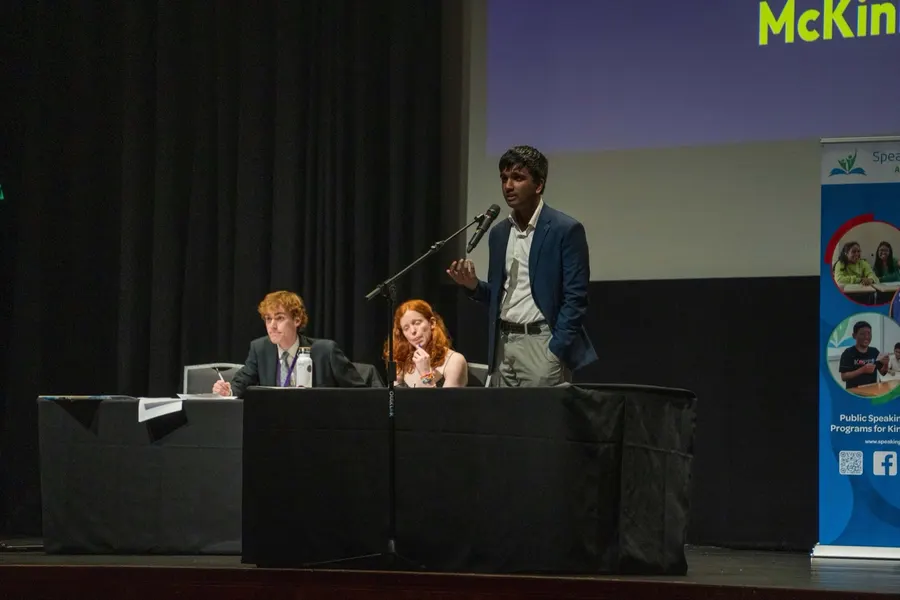
Jehiel Pather, NSW State Team
· 6 min read
The short answer
Look for three things. First, a coach who has debated at the highest levels, such as state teams or university championships, so they understand different formats and how different adjudicators judge. Second, a coach who is focused on your child's improvement: they have a structured method, they tailor it to your child, and they can turn complicated ideas into something a student can use. Third, a coach who has judged debates, because adjudicating shows them what competition judges and state team selectors look for.
When parents compare debating coaches, they usually look at results first. Results matter, but being a great debater and being a great coach aren't the same skill. I've competed, judged at national championships, and now coach, and I'm the NSW State Team Coach for 2027. These are the three things I'd look for if I were choosing a coach for my own child.
Experience at the highest level
Start with a coach who has debated well themselves, ideally at the highest levels: state and national teams at school, and university championships after that. University debating in particular forces a speaker to learn more than one style. There are different types of debate, from the Australian three-on-three format to World Schools and British Parliamentary, and each rewards slightly different things.
Experience also teaches a coach that different adjudicators judge differently. A speech that wins in front of one judge can lose in front of another, and a coach who has been through that many times can prepare your child for it, rather than teaching them one way to speak that only works in one room.
A focus on your child's improvement
The second thing, and the one that separates a great debater from a great coach, is a real focus on student improvement. In practice that means three things.
- A structured method. A good coach knows what they're building towards over a term, and why this week's lesson comes before next week's. If every lesson is a practice debate and nothing else, ask what the plan is.
- Tailoring. Every student has different weaknesses and different strengths, so the method should bend to your child. A coach should be able to tell you what your child in particular is working on.
- Explaining clearly. Strong debaters understand complicated ideas. The best coaches can also distil those ideas into something a twelve-year-old can use in their next speech. If a coach can't explain a debating idea to you in plain terms, they'll struggle to explain it to your child.
Experience judging debates
The third thing is often overlooked: has the coach adjudicated? Judging debates gives a coach a view of the activity that competing never does. They learn what adjudicators in competitions are looking for when they decide a debate, and what selectors look for when they pick state teams. That's exactly what a student preparing for a competition or a state team trial needs to know.
If you want to see what adjudicators are actually assessing, our guide to how debates are marked goes through it.
Questions to ask before you book
You can test all three of these in a short conversation with a coach or a coaching business.
- What level have you debated at, and in which formats?
- Have you judged debates, and at what level?
- How do you plan a student's improvement over a term?
- How will you work out what my child needs to work on?
- Can you explain what rebuttal is, as if to a student in their first term?
A good coach will enjoy these questions. The answer to the last one tells you a lot: listen for whether it's clear and short, or whether it disappears into jargon.
How we choose our coaches
At DebateBetter, every coach has either represented their state or country in debating, or holds a major university debating championship. Between them they've won championships and made state teams. Just as importantly, we look for coaches who are also very good judges. The Australian Intervarsity Debating Championship, usually called Australian Nationals, is the national championship for university debaters. Maya Anderson, one of our coaches, was the best judge at the last one. I was its Deputy Chief Adjudicator in 2026, and my co-founder Jade Di Girolamo is its Chief Adjudicator in 2027. Jack Glass has also been a Deputy Chief Adjudicator at the Australian National Debating Championship. All of our coaches have spent time on the judging side. You can read about the team on the coaches page.
Every class follows a structured plan, and coaches give each student feedback on their own next step. Group classes are online, with six or fewer students, at $50 an hour per student ($100 a two-hour class). Private coaching is $150 an hour. Class times are on the programs page.
Common questions
- What experience should a debating coach have?
- Ideally they've competed at a high level themselves, for example in a state team or at university championships, and they've also judged debates. Competing teaches them the different formats; judging teaches them what adjudicators and selectors reward.
- Does a good debater make a good coach?
- Not automatically. A strong debater understands the activity, but coaching also needs a structured way of improving a student, the ability to tailor it to that student, and the skill to explain complicated ideas simply.
- Why does it matter whether a debating coach has judged debates?
- Adjudicating shows a coach how decisions are actually made: what judges in competitions look for, and what selectors look for when they pick state teams. A coach who has only competed sees debates from one side.
- What should I ask a debating coach before booking?
- Ask how they plan a student's improvement over a term, how they work out what your child in particular needs, what debating and judging they've done, and ask them to explain one debating idea, such as rebuttal, in plain terms.