How the NSW state debating team is selected
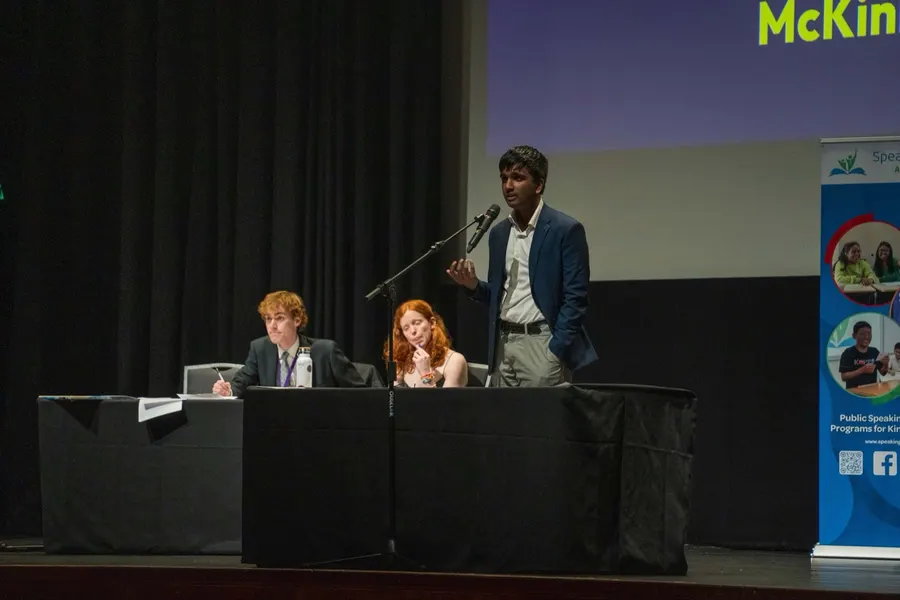
Jehiel Pather, NSW State Team
· 6 min read
The short answer
The NSW Schools Debating Team is selected by the NSW Debating Union, a volunteer-run non-profit. Any student in Years 10 to 12 can trial, and keen Year 9s are encouraged to. Trials are held over a weekend early in the year (7 and 8 March in 2026) and involve a debate with 6–8 minute speeches in front of the state coaches and selectors, followed by a general knowledge quiz. Selectors look for existing ability and for potential. A squad is chosen and trains before the final team is named for the National Schools Debating Championships.
I trialled for the NSW team in high school and made it, and several of our coaches have been through the same process: Maya Garg and Michael Kwak both went on to captain the team. Parents ask us about it often, so here is how it works. The details come from the NSW Debating Union, which runs selection. Dates and fees change from year to year, so check their site before you plan around anything here.
Who runs it
The NSW Schools Debating Team is selected and coached by the NSW Debating Union, a non-profit run by volunteer trainers. The team represents the state at the National Schools Debating Championships, which rotate between the state capitals (Brisbane hosts in 2026). NSW has won that championship more times than any other state or territory.
This is separate from other representative teams students may hear about. The Combined High Schools (CHS) team, for example, is run through the NSW Department of Education's Arts Unit for Year 11 and 12 students at government schools.
Who can trial
Any student in Years 10 to 12 can trial, and the Union encourages especially keen Year 9s to try as well. The trial fee is $60, with means-tested subsidies available.
What happens at the trial
Trials run over a weekend early in the school year. In 2026 they were on Saturday 7 and Sunday 8 March, with preparation workshops the weekend before. Each day has three trial sessions, and the whole process takes a student about two and a half hours.
- Students speak in a debate in front of the state coaches and selectors. Speeches are 6 to 8 minutes long.
- Each student can veto one of the three speaking positions, so nobody is forced into the role they're least comfortable with.
- After the debate there is a general knowledge quiz.
Selectors then choose a squad. The squad trains together before the final team is named.
What selectors look for
The Union says it looks for “existing debating ability and for potential.” The second half matters. Selectors are picking students they'll coach for months, so a debater who is clearly improving, takes feedback well and thinks on their feet can beat a more polished speaker who has plateaued.
The general knowledge quiz reflects what the championship demands. Topics at state and national level range across international relations, economics, law, technology and social policy, and many debates are impromptu. A student who reads widely has more to draw on when preparation time is short.
How students prepare
From our own experience of trialling, and of coaching students towards it, these are the things that make the biggest difference.
- Get comfortable with the longer speech. Many school competitions below senior level use shorter speeches. Six to eight minutes is a different skill: you need enough material, and enough structure that the adjudicator can follow it.
- Practise impromptu preparation. Work to a clock, with topics you haven't seen. The habits from finding arguments through stakeholders are what make an hour of prep go further.
- Be strong in at least two positions. You can veto one of three, so you'll speak in one of the other two. A student who only ever speaks third is taking a risk.
- Read the news, properly. Follow a few big stories in depth rather than skimming headlines. It helps in the quiz and in the debate.
- Show that you take feedback. Selectors want students who improve during the squad. Coaching that gives specific feedback after every speech, and checks it was acted on, builds that habit.
If you don't make it
Most students who trial don't make the team, including many who go on to debate at a high level. Students in Year 10 or 11 can trial again. Speaking for eight minutes in front of state selectors is good experience in its own right, and it shows a student exactly where the bar is.
We coach students aiming at state selection in our term classes and private coaching. We can't promise selection, and nobody honestly can. What we can do is put students in front of coaches who have been through it.
Common questions
- Who can trial for the NSW state debating team?
- According to the NSW Debating Union, any student in Years 10 to 12 can trial, and especially keen Year 9 students are encouraged to as well.
- What happens at NSW state debating trials?
- Each trial session runs for about two and a half hours. Students speak in a debate in front of the state coaches and selectors, with speeches of 6 to 8 minutes, and then sit a general knowledge quiz. Students can veto one of the three speaking positions.
- When are the NSW state debating trials?
- Early in the school year. The 2026 trials were held on Saturday 7 and Sunday 8 March, with workshops the weekend before. Check the NSW Debating Union website for the current year's dates.
- How much does it cost to trial for the NSW debating team?
- The NSW Debating Union lists a $60 trial fee per debater, with means-tested subsidies available.
- What do NSW state team selectors look for?
- The NSW Debating Union says selectors look for existing debating ability and for potential: students who will improve during the squad's coaching.